What Is a Smile Trial? Testing Your Dream Smile Before It's Permanent
Quick Answer
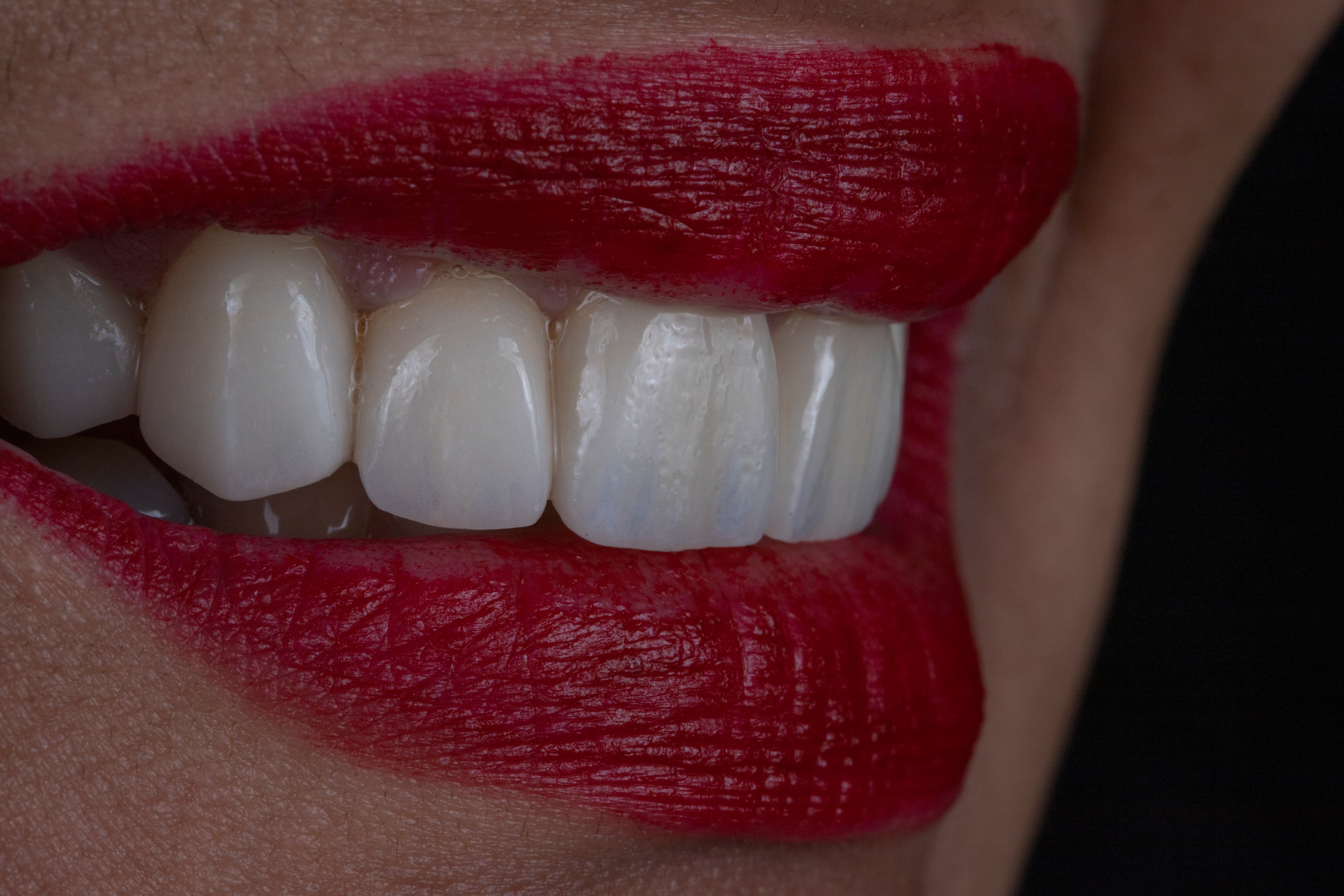
A smile trial, also called a trial smile, mock-up, or diagnostic wax-up, is a temporary, removable preview of your future smile that's placed directly in your mouth before any permanent treatment like veneers begins. Made from tooth-colored resin shaped over a wax or digital design, it lets you see, feel, and even speak and smile with your new tooth shape, length, and proportions in real time, so you can request changes before a single tooth is touched. It's typically created in one or two short appointments and requires no drilling or anesthesia.
You've probably already seen a digital smile preview on a screen — but a smile trial goes one step further. Instead of just looking at a picture or video simulation, you actually wear a physical version of your new smile in your mouth, walk to a mirror, talk, laugh, and decide for yourself whether it's right before committing to veneers or any other smile makeover treatment.
What Exactly Is a Smile Trial?
A dental mock-up, also known as a trial smile or provisional restoration, is a temporary structure created to simulate the final outcome of a dental treatment before the actual procedure takes place. In cosmetic dentistry circles, you'll also hear it called a diagnostic wax-up, a silicone key mock-up, or by more technical names like Bonded Functional Esthetic Prototype (BFEP) or Aesthetic Pre-Evaluative Temporaries (APT) — different names for the same core idea: a “test drive” of your new smile.
It's essentially a rehearsal for your dream smile. Before any enamel is touched or any permanent material is bonded, you get to wear a removable, tooth-colored version of your planned new teeth and evaluate it in real-world conditions — under different lighting, while talking, while smiling naturally, not just in a static photo.
How Is a Smile Trial Actually Made?
- Digital or photographic smile design. Your dentist typically begins by mapping facial proportions and tooth dimensions, often using Digital Smile Design (DSD), to create a digital version of your ideal smile based on your own face and lips.
- Impressions and a diagnostic wax-up. An impression or digital scan of your teeth is taken, and a dental technician creates a diagnostic wax-up — a three-dimensional model in wax showing the proposed new tooth shapes and proportions.
- Creating the silicone key. From the wax-up, a silicone mold (sometimes called a silicone key) is made. This acts like a reverse template of the planned design.
- Placing the trial smile in your mouth. A tooth-colored temporary material, usually a resin called bisacryl, is placed inside the silicone key, which is then seated directly over your existing teeth. This produces the actual trial smile you can see and feel in your mouth, all without anesthesia or any drilling.
- Review, feedback, and adjustment. You get to look in the mirror, talk, smile, and provide feedback in real time — asking to lengthen a tooth, soften a sharp edge, or adjust the overall proportion, with the dentist refining the mock-up on the spot or noting changes for the lab.
Why Does a Smile Trial Matter So Much Before Veneers?
The opportunity to assess, in real time and within your own mouth, a trial of the final result cannot be overstated. A trial smile lets you evaluate tooth proportion, color, and shape within the actual framework of your lips, gums, and face — something a flat photo or even a digital simulation on a screen can't fully replicate, because you're seeing it move and function as you actually speak and smile.
This matters because veneers are essentially irreversible. Once enamel is prepared and porcelain is bonded, there's no going back to your natural tooth structure. A smile trial removes nearly all of the guesswork before that irreversible step, catching issues with length, shape, or proportion while changes still cost nothing more than a quick adjustment to temporary resin.
What Treatments Use a Smile Trial?
A trial smile is appropriate for any treatment that changes the size, proportion, or shape of teeth in the aesthetic, or “smile,” zone. This commonly includes:
- Porcelain veneers — previewing shape, length, and alignment before permanent preparation
- Composite veneers and composite bonding — testing proportions before the final composite build-up
- A full smile makeover combining several treatments, where the trial shows the combined final result
- Crown and bridge work in the front of the mouth, where aesthetics matter as much as function
Smile Trial vs Digital Smile Design: What's the Difference?
These two often go together, but they're not the same thing. Digital Smile Design is the planning and visualization stage — a computer-generated or photo-based simulation showing what your new smile could look like, mapped onto your facial photos. A smile trial or mock-up is the physical, in-mouth version of that same design, built from wax-ups and temporary resin so you can experience it directly, not just view it on a screen.
Used together, they form a two-stage preview process: first you approve the digital concept, then you physically test-drive it in your own mouth before any permanent treatment begins — giving both you and your dentist far more confidence in the final outcome than either step alone.
How Long Does a Smile Trial Take, and Is It Painful?
A smile trial typically takes one or two appointments to design, fabricate, and fit. Because it's a removable provisional placed over your existing teeth, there's no anesthesia and no drilling involved — you can walk in, try it, evaluate it, request adjustments, and walk out with your natural teeth completely untouched.
What Happens After You Approve the Smile Trial?
Once you're satisfied with the trial smile, your dentist takes photographs, an impression of the approved design, and precise measurements of the final shape, length, and proportions you've agreed on. This becomes the blueprint sent to the dental laboratory or ceramist, who fabricates the final veneers or restorations to match the approved trial as closely as possible — eliminating much of the guesswork that would otherwise fall on the lab technician working from instructions alone.
Why a Smile Trial Reduces the Risk of Veneer Regret
One of the most common sources of dissatisfaction after a smile makeover is a finished result that simply doesn't match what the patient pictured. A trial smile directly addresses this by turning the design conversation into something concrete: instead of imagining “natural” or “a bit longer,” you and your dentist look at, adjust, and agree on an actual physical version of the result together. This collaborative back-and-forth, while wearing the trial yourself, is what most reliably closes the gap between expectation and final outcome.
The Aurévo Approach: Designing, Then Testing, Before We Commit
At Aurévo Advanced Dental Studio in Satellite, Ahmedabad, every veneer and smile makeover case moves through both stages of preview: a Digital Smile Design simulation first, followed by an in-mouth trial smile you can see, feel, and approve before any permanent preparation begins. This two-step process reflects the same precision-first philosophy behind our microscope-assisted approach across the studio — plan meticulously, let you test the result yourself, and only then commit to anything irreversible.
Curious what your new smile will actually feel like before committing to veneers? Book a smile trial consultation at Aurévo Advanced Dental Studio, Shivranjani Crossroads, Ahmedabad.
Frequently Asked Questions
This article is for informational purposes and does not replace an in-person dental evaluation. Treatment recommendations vary by individual case and should be made in consultation with a qualified cosmetic dentist.