Does Teeth Whitening Damage Your Enamel? Here's What Actually Happens
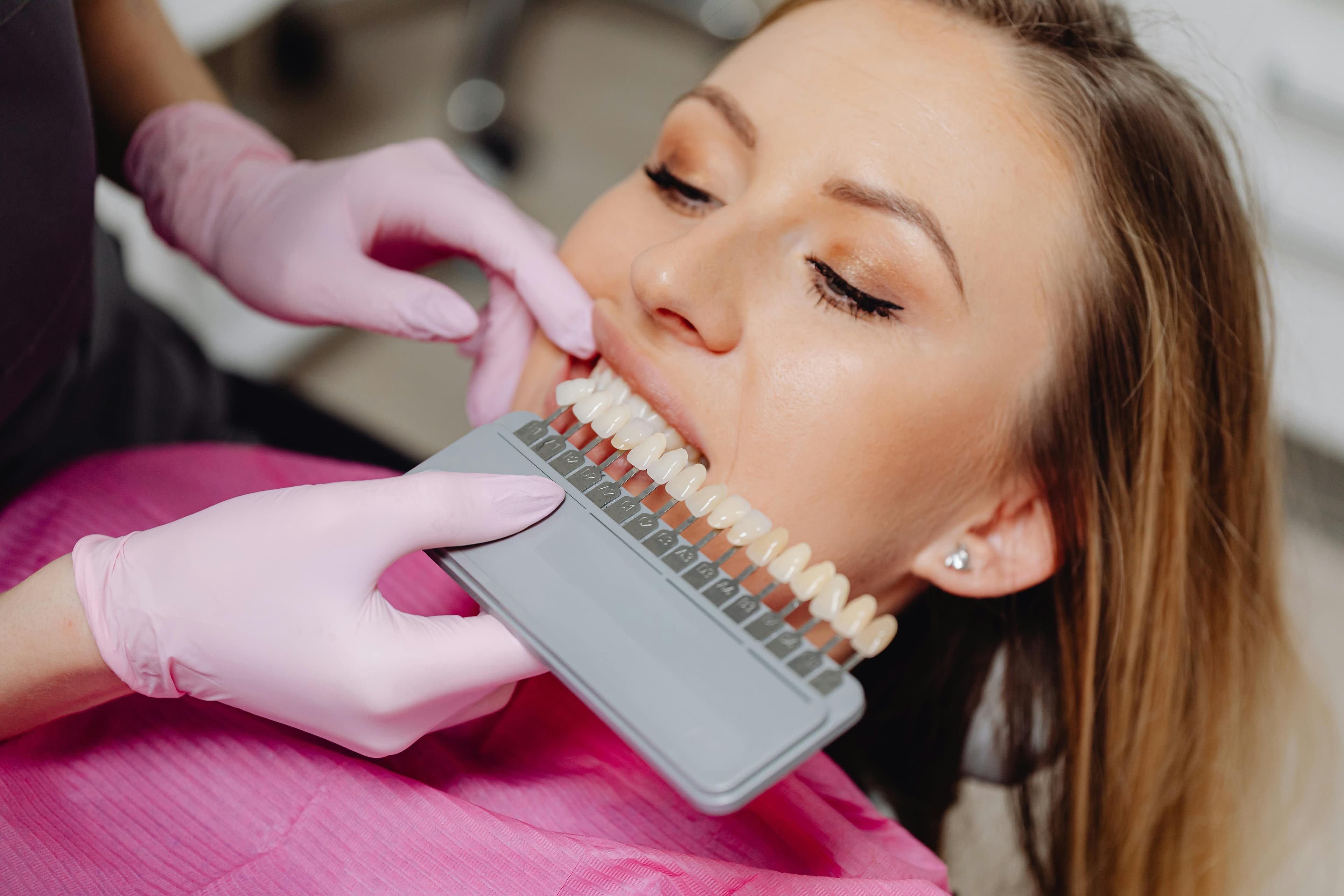
Quick Answer
No, professional teeth whitening does not permanently damage enamel when performed correctly under dental supervision. Whitening agents like hydrogen peroxide or carbamide peroxide work by breaking down stain particles within the enamel, not by removing or thinning the enamel itself. The temporary sensitivity many people feel happens because whitening makes enamel slightly more porous for a short period, allowing temperature changes to reach the nerve more easily — this effect typically resolves within 24–48 hours as the enamel naturally remineralizes. The real risk to enamel comes almost entirely from misuse of unsupervised, over-the-counter products, not from professional teeth whitening.
If you've been putting off teeth whitening because you're worried it will permanently weaken or damage your enamel, you're asking exactly the right question — but the science gives a clearer, more reassuring answer than most people expect.
What Actually Happens to Your Enamel During Whitening?
Enamel is the thin, hard outer layer of your teeth that protects them from decay, temperature sensitivity, and physical damage. It's the hardest tissue in the human body, but stains can still build up within tiny spaces inside it over time from food, drinks, tobacco, and aging.
Whitening gels work through oxidation: the peroxide releases oxygen molecules that break down the stain particles trapped within the enamel, allowing light to reflect differently off the tooth surface. Your teeth appear visibly brighter, but the enamel structure itself remains intact — the gel is breaking down stains within the enamel, not stripping away the enamel layer.
Why Do Teeth Feel Sensitive After Whitening?
This is the part most patients misunderstand. During the whitening process, enamel temporarily becomes slightly more porous. This increased porosity is what allows the peroxide to penetrate and reach stain molecules, but it also temporarily lets hot, cold, or sweet stimuli reach the nerve inside the tooth more easily, which is what produces that short, sharp sensitivity sensation.
This sensitivity is not a sign that your enamel is being eroded or destroyed — it's a temporary side effect of the whitening mechanism itself, and multiple studies show no overall reduction in enamel thickness or strength when whitening is performed correctly. Within roughly 24–48 hours, saliva-driven remineralization restores the enamel's normal porosity and the sensitivity fades on its own.
So Does Teeth Whitening Damage Enamel — Or Not?
The honest, evidence-based answer is no, when whitening is performed under professional supervision using regulated products at controlled concentrations. Research has shown that the structure of enamel remains largely intact after professional whitening treatments, and dentist-led whitening protocols are specifically designed to work within safe limits, with many professional systems even including ingredients that support and protect enamel during treatment.
That said, this safety profile depends heavily on how the whitening is done — which is precisely where things can go wrong.
When Teeth Whitening Can Actually Cause Damage
The risk to enamel is real, but it's almost entirely tied to misuse, not to whitening itself. Specific situations where damage becomes more likely include:
- Overusing over-the-counter (OTC) products — repeated or prolonged use of unsupervised whitening strips, gels, or trays beyond recommended instructions
- Low-quality or unregulated products — one study testing online-sourced OTC whitening gels found that a low-ranked product caused measurable enamel microhardness loss and visible surface alterations, a finding not seen with professional-grade, dentist-supervised treatments
- Whitening over existing dental problems — applying bleaching agents to teeth with undiagnosed cavities or hidden cracks can cause significant pain and worsen underlying issues
- Ill-fitting whitening trays — generic, non-custom trays can allow gel to leak onto the gums, causing irritation that's sometimes mistaken for enamel damage
- Combining whitening with harsh DIY methods — charcoal scrubs, abrasive baking soda mixes, or acidic “natural” remedies used alongside whitening can mechanically wear enamel in ways the whitening gel itself does not
In short: properly supervised professional whitening doesn't damage enamel, but unsupervised overuse or low-quality products genuinely can.
Professional Whitening vs At-Home and OTC Whitening: What's the Real Difference?
In-office professional whitening uses higher-concentration, dentist-controlled peroxide formulas applied under direct supervision, with your gums protected and the treatment tailored to your specific enamel thickness, existing restorations, and sensitivity history.
Dentist-provided at-home kits use custom-fitted trays and a lower, dentist-selected concentration of bleaching gel for you to use at home under guidance — a middle ground between in-office treatment and generic retail products.
Over-the-counter whitening strips, gels, and toothpaste are available without a prescription and tend to be less effective, with far less quality control and no professional oversight of concentration, fit, or usage duration — the category where almost all enamel-damage and severe-sensitivity complaints originate.
How to Whiten Your Teeth Safely
- Get assessed before you whiten. A dentist can check for cavities, cracks, gum health, and existing restorations before recommending whitening, preventing avoidable pain or complications.
- Choose hydrogen peroxide or carbamide peroxide-based products, ideally professional-grade or dentist-recommended, rather than unregulated online products of unknown concentration.
- Follow instructions exactly — don't extend wear time or frequency hoping for faster results; overuse is the single biggest cause of enamel-related complaints.
- Use a sensitive toothpaste before and after treatment to reduce discomfort during the temporary sensitivity window.
- Avoid acidic foods and drinks for the first 24–48 hours after whitening, since enamel is still in its temporary, more porous recovery phase.
- Use remineralizing toothpaste containing fluoride or nano-hydroxyapatite to support enamel strength during recovery.
- Drink staining beverages through a straw going forward, and rinse with water after meals, to help your results last longer without needing more frequent whitening sessions.
Who Should Be Cautious With Teeth Whitening?
Whitening isn't automatically right for everyone, and a responsible dentist will say so rather than treating it as a one-size-fits-all cosmetic add-on. Patients with untreated cavities, significant gum recession, cracked teeth, or very thin enamel may need those issues addressed first, or may need a modified, gentler whitening approach. In these cases, whitening typically isn't banned outright — it's postponed or adapted until the underlying issue is resolved, protecting your teeth first rather than rushing toward a particular shade.
Why Professional Supervision Matters More Than the Whitening Itself
The clearest pattern across the research is this: it's not the whitening chemistry that causes most enamel problems — it's the absence of professional oversight. A dentist evaluates your enamel thickness, existing restorations, and gum health beforehand, selects an appropriate concentration, monitors the process, and gives you specific aftercare instructions — all of which meaningfully reduces the risk that's otherwise associated with unsupervised, repeated, or excessive use of generic whitening products.
The Aurévo Approach to Safe Teeth Whitening
At Aurévo Advanced Dental Studio in Satellite, Ahmedabad, every teeth whitening treatment begins with a clinical assessment of your enamel, existing restorations, and gum health before any whitening agent is applied. This ensures the concentration and approach we use are appropriate for your teeth specifically, rather than a generic one-size-fits-all protocol — the same precision-first philosophy behind every treatment at our studio.
Thinking about teeth whitening but want to make sure it's done safely? Book a whitening consultation at Aurévo Advanced Dental Studio, Shivranjani Crossroads, Ahmedabad.
Frequently Asked Questions
This article is for informational purposes and does not replace an in-person dental evaluation. Individual results and sensitivity vary based on enamel thickness, oral health, and the whitening method used. Treatment recommendations should be made in consultation with a qualified cosmetic dentist.